Portugal’s hospitality industry is at a crossroads — and the choices made now will shape the next decade
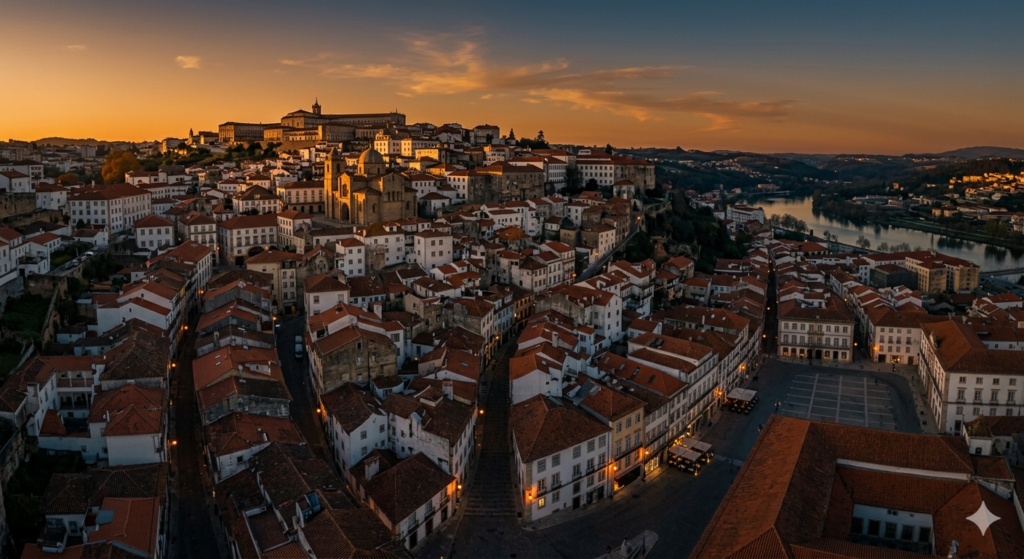
Portugal’s hospitality industry looks, from the outside, like a success story. Tourism numbers at record highs. International recognition for food, wine and lifestyle. A wave of investment in boutique hotels, restaurants and accommodation across the country. Publications and travel platforms ranking Portuguese cities among Europe’s most desirable destinations.
The surface is genuinely impressive. What’s underneath it is more complicated.
I’ve spent enough time working inside Portuguese hospitality — in kitchens, in hotel operations, in consulting rooms with owners who are struggling to make the numbers work — to have a less comfortable view of what’s actually happening. And I think it’s worth saying directly, even if it’s not the version of the story that gets told most often.
The workforce crisis is not a temporary problem
The single most common challenge I hear from restaurant and hotel operators across Portugal right now is some version of the same thing: we can’t find people, we can’t keep people, and the people we have are carrying more than they should.
This is not a post-pandemic anomaly. It’s the result of structural conditions that the industry built over decades and is now trying to reverse in a labour market that has given hospitality workers more options than they’ve ever had before.
The conditions that drove people away — wages that didn’t reflect the demands of the work, schedules that made any kind of personal life difficult, management cultures built on pressure rather than development — didn’t emerge from nowhere. They were the industry’s response to operating with thin margins and intense competition. They made short-term economic sense. They made no sense for long-term sustainability.
The hospitality businesses that are navigating this well are the ones that decided, before it became urgent, to treat their teams differently. Better pay, better scheduling, investment in development, management that people actually want to work for. It costs more in the short term. It costs far less than constant turnover and service inconsistency in the medium term.
The tourism boom has two faces
Portugal’s tourism growth has been extraordinary, and genuinely transformative for many parts of the country that needed economic investment. I don’t want to be dismissive of that.
But the same growth has created pressures that the industry is not always honest about. Real estate costs that price local operators out of central locations. Seasonal demand patterns that make sustainable year-round operation genuinely difficult for many businesses. A visitor profile that in some segments prioritises price over experience — which drives a race to the bottom that hurts everyone.
The most sustainable hospitality businesses I see in Portugal are the ones that made a deliberate choice about which guests they want. Not the highest volume, not the lowest price point, but a specific traveller or diner whose expectations align with what the business genuinely does well. That clarity is a competitive advantage in an overcrowded market.
The quality gap is growing
There is a widening gap in Portuguese hospitality between the operations that are genuinely excellent — in food quality, in management rigour, in guest experience — and the ones that are coasting on the broader destination’s appeal.
When the destination is desirable enough, you can fill tables and rooms with a mediocre product. For a while. But the reviews accumulate, the word of mouth diverges, and over time the operations that invested in genuine quality compound their advantage while the ones that didn’t find themselves increasingly vulnerable.
The visitors who are choosing Portugal now are more informed and more experienced than the market of ten years ago. They have seen more, they compare more, and they remember more clearly what was worth it and what wasn’t.
What I think changes things
I’m not pessimistic about Portuguese hospitality. I’m realistic about what needs to change for the genuine quality of the sector to match its external reputation.
It requires operators who take management as seriously as they take product. Who invest in their teams with the same rigour they invest in their kitchens or their rooms. Who measure what matters — margin, retention, guest satisfaction — and make decisions from those numbers rather than from intuition alone.
It requires the industry to have honest conversations about workforce conditions rather than treating turnover as an inevitable cost of business.
And it requires individual operators to make choices — about positioning, about quality, about how they lead — that prioritise durability over short-term volume.
None of that is new thinking. But the urgency is greater than it was, and the window for addressing it comfortably is narrowing.
I’m here to work with the operators who want to be on the right side of that gap — the ones who are willing to look honestly at what they’re doing and build something that lasts. If that’s you, reach out.