Ten things I got wrong in my first years in hospitality — and what I’d tell my younger self
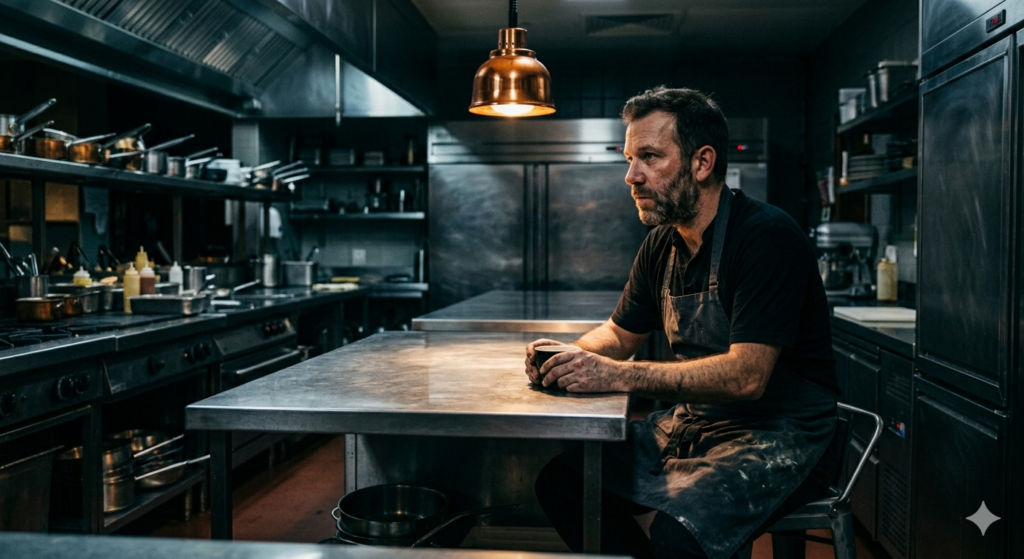
I am a better professional today than I was ten years ago. That sounds obvious — it should be true of anyone who pays attention. But when I look back at the specific ways I was wrong, the things I was certain about that turned out to be exactly backwards, I feel something between gratitude and mild embarrassment.
This is not a self-congratulatory reflection. It’s an honest inventory of the mistakes that cost me the most — in time, in relationships, in opportunities — and what I would say to the version of me that was making them.
If you’re earlier in your career in hospitality than I am, some of this might be worth reading. Not because my path should be yours, but because some of these errors are almost universal, and recognising them in someone else’s experience is cheaper than learning them the hard way.
I thought technical skill was the main currency
For the first several years, I believed that being very good at the craft was the primary thing that determined how far you’d go. If you cooked well, managed a kitchen well, controlled costs well — the recognition would follow.
It doesn’t work that way. Technical excellence is the entry requirement, not the differentiator. What actually determines progression is a combination of things that are harder to measure: how you communicate, how you manage up, how you handle conflict, how you make the people around you better.
I spent years developing the wrong skills intensively, while assuming the right ones would take care of themselves. They don’t.
I confused being busy with being productive
The hospitality industry rewards the appearance of effort. Long hours, always available, first in and last out — these are culturally celebrated signals of commitment. I internalised them completely.
What I was slower to understand is that presence is not the same as impact. Some of my most important contributions to operations I worked in took an hour of clear thinking, not a fourteen-hour day. And some of those fourteen-hour days produced very little that couldn’t have been done in eight.
The ability to protect time for thinking — for planning, for analysis, for the things that actually move an operation forward — is something I learned too late and value enormously now.
I didn’t ask for help until it was urgent
There is a culture in restaurant kitchens of figuring things out alone. Asking for help is quietly read as not being capable enough. I absorbed that culture completely, which meant I struggled through problems in silence that would have been solved faster, with less damage, if I had simply said: I don’t know how to handle this.
The people I respect most in this industry — the ones who built things that lasted, who led teams that stayed — were not the ones who never needed help. They were the ones who knew when to ask for it and weren’t ashamed to.
I was too slow to have difficult conversations
When something was wrong — with a team member’s performance, with a supplier relationship, with the direction a business was taking — my instinct was to wait. To hope it resolved itself. To avoid the discomfort of saying directly what needed to be said.
Problems in operations don’t resolve themselves. They compound. The conversation that would have taken twenty minutes when the issue was small takes two hours when it has been left to grow — and by then the relationship has already been strained by the silence.
I still find direct conversations uncomfortable sometimes. The difference is I no longer use that discomfort as a reason to avoid them.
I underestimated how much people remember how they were treated
In a decade of working in kitchens and hotel operations, I have been managed well and managed badly. The technical quality of the environments where I was managed badly was sometimes excellent. I don’t recommend those places. I don’t speak positively of them. I don’t maintain the professional relationships that might have come from them.
The places where I was treated with respect, given honest feedback, given room to grow — those are the places that shaped me, that I mention when people ask about my background, that I feel genuine warmth toward.
People remember how they were treated far longer than they remember what they were paid. That’s true of teams. It’s equally true of guests, of suppliers, of anyone who encounters your business.
What I would say
If I could sit across from my twenty-five-year-old self for an hour, the conversation would be mostly about this: the craft matters, but it’s not enough. How you show up with people — your team, your managers, your guests — is what builds a career. Not quickly, not dramatically, but durably.
And ask for help earlier. Always earlier.